





How AI is Changing Creative Jobs
Generative AI is revolutionizing creative industries by making art, writing, and design more accessible than ever. While these tools offer exciting possibilities, they also raise important concerns about copyright, artist compensation, and the future of creative careers.
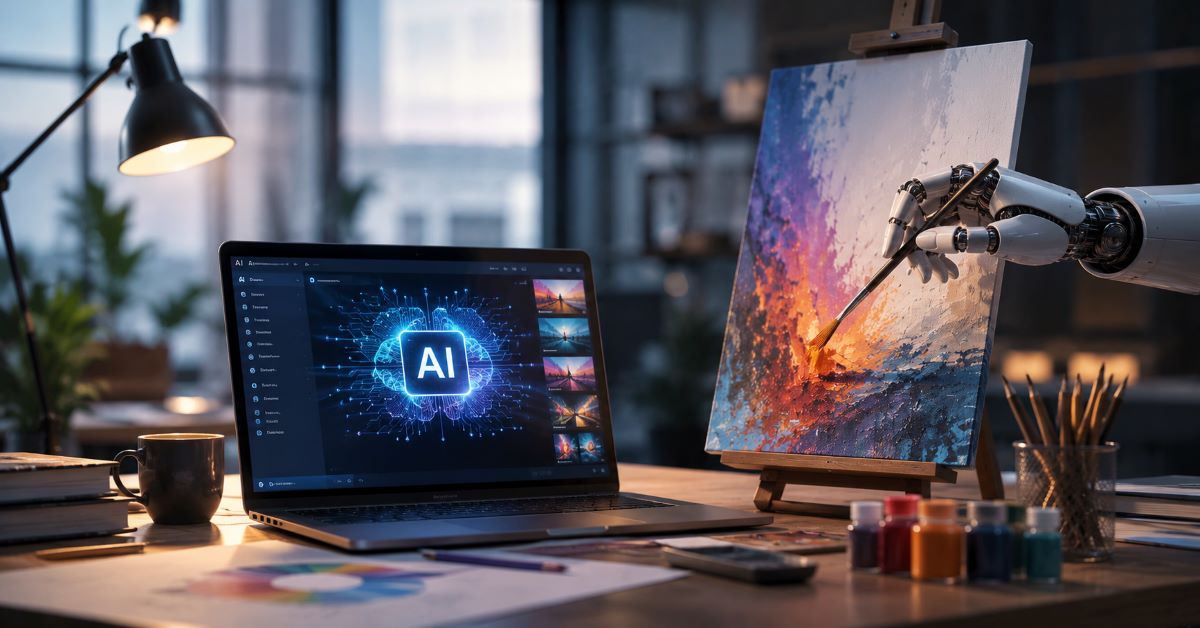
How AI is Changing Creative Jobs
If you are someone who enjoys art, music, or writing, the rapid rise of generative AI tools is pretty alarming. On one hand, it is definitely fascinating that you can type a descriptive prompt into a website and get a highly detailed digital painting in a matter of seconds. It makes it easy for people who do not have artistic training to create visuals for their own personal projects or websites.
Ethical Concerns Behind AI-Generated Content
But on the other hand, the way these systems were built raises some major ethical questions. These AI programs were trained by scanning billions of images and artworks across the internet. The vast majority of these images were created by real human artists who never gave permission for their work to be used this way, and they certainly were not paid for it. The legal scholar Amy Adler points out that AI art creates massive complications for copyright law and challenges our traditional ideas of what it means to own an artistic style (Adler).
The Impact on Creative Careers
If a major corporation can just generate a logo, an advertisement, or a magazine illustration for free using an algorithm, they have very little incentive to hire a real graphic designer or illustrator. It feels like AI is great for saving money for executives, but it might severely damage creative career paths for our generation before we even have a chance to graduate and enter the workforce.
Works Cited
Adler, Amy. "Artificial Intelligence and the Future of Art." New York University Law Review, vol. 98, no. 1, 2023, pp. 45–52.
Frequently Asked Questions
Share this post
Comments (0)
No comments yet. Be the first to comment!